


Class 2 vs Class 3 Safety visibility clothing: Key Differences & How to Choose
High-visibility reflective vests play a critical role in keeping workers safe in hazardous environments. They ensure others can easily spot personnel near moving vehicles, heavy equipment, or in low-light conditions.
Among the most common types, Class 2 and Class 3 safety vests stand out. The main difference between Class 2 vs Class 3 Safety visibility clothing lies in the amount of high-visibility background material and reflective tape they use. This difference directly matches the risk level of the work environment and the visibility workers need to stay safe.
Understanding these differences helps you select the right vest that complies with workplace safety regulations and keeps your team protected.
What Are Safety Reflective Vests & Relevant Standards?
Contents
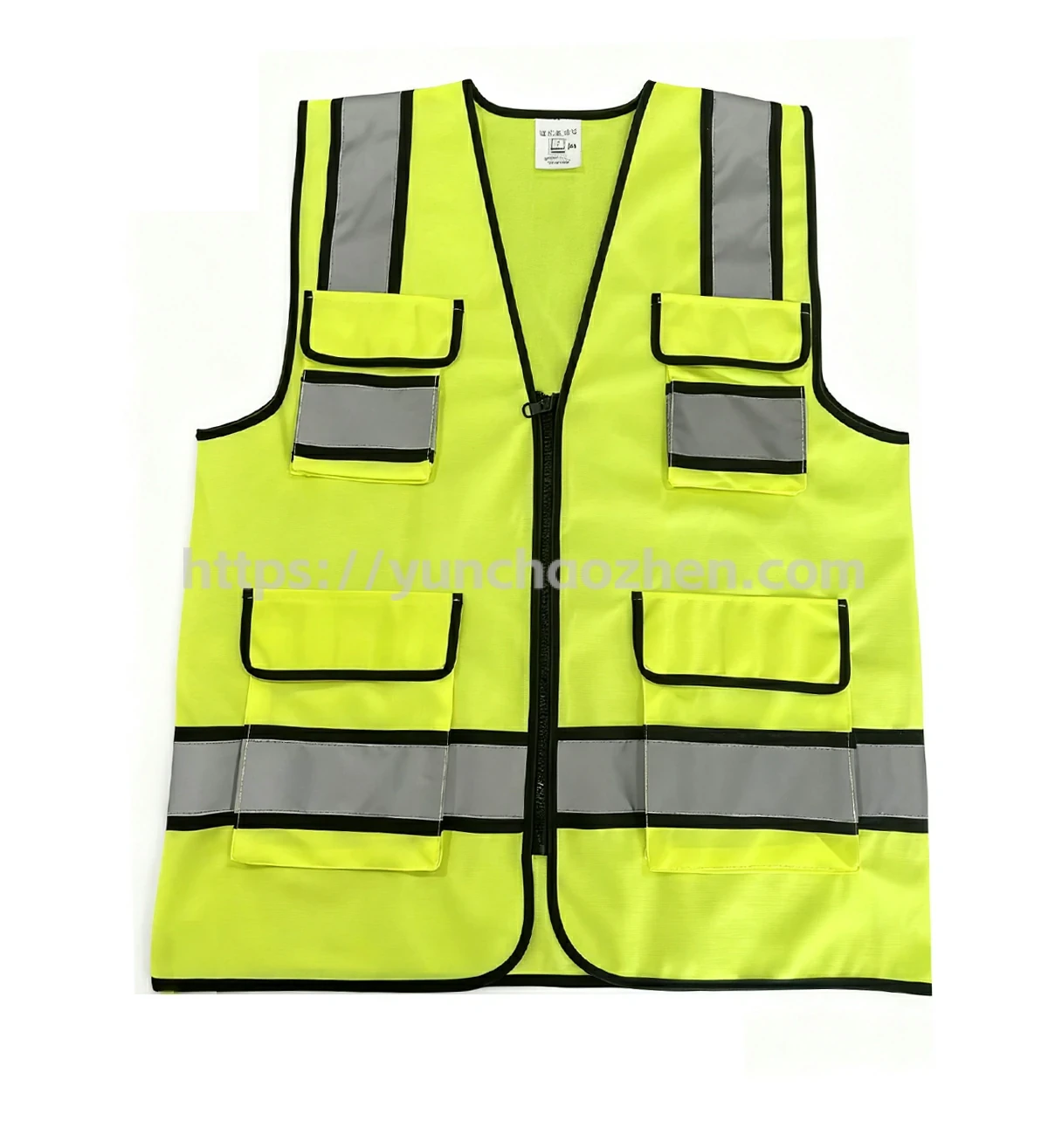
Safety reflective vests are high-visibility garments designed to make workers more detectable. They use bright fluorescent fabrics and reflective components to help wearers stand out against any background.
In the United States, the ANSI/ISEA 107-2020 Standard for High-Visibility Safety Apparel sets the benchmark for these vests. This standard classifies vests into different levels based on the quantity of background fabric, retroreflective material, and overall design.
Other regions have similar standards. For example, Europe uses EN ISO 20471, which also includes Class 2 and 3 but with slightly different measurements.
A core principle guides these classifications: more material means greater visibility, which suits higher-risk environments. As the class number increases, the required surface area of fluorescent and reflective materials also increases.
A Quick Look at Class 1 Safety Vests
Before diving into Class 2 and 3, it helps to understand Class 1 vests. These provide basic visibility for low-risk environments.
Class 1 vests work best where workers stay safely separated from moving vehicles and equipment. They suit areas with traffic speeds under 25 mph and very low accident risks.
Typical users include parking attendants and shopping cart retrievers in controlled spaces like parking lots. These workers need some visibility but face no major traffic hazards.
Key features of Class 1 vests: at least 217 square inches of fluorescent background fabric, 155 square inches of retroreflective tape, and a simple, lightweight sleeveless design with tape across the chest and shoulders.
Class 2 Safety Vests: Details, Features & Use Cases
Class 2 safety vests offer intermediate visibility. They suit workers who need to be seen from farther distances or against more complex backgrounds than Class 1 scenarios.
These vests target environments with moderate collision risks, where traffic speeds range from 25 to 50 mph.
Key Features of Class 2 Vests
Class 2 vests require a minimum of 775 square inches of fluorescent material (orange, yellow, or lime-green).
They also need at least 201 square inches of silver or white reflective tape. Manufacturers typically arrange this tape in two horizontal 360° bands around the torso (one on the chest, one on the waist).
Vertical stripes over the shoulders often connect these bands, forming a “vest” or “horseshoe” pattern. Most Class 2 vests are sleeveless or short-sleeved, focusing on torso visibility.
Typical Uses for Class 2 Vests
Roadway construction workers, airport baggage handlers, and ground crews commonly use Class 2 vests.
Other users include utility workers (working on road sides), school crossing guards, forestry workers, and warehouse personnel in high-traffic areas.
Parking lot staff and toll station attendants also rely on Class 2 vests for visibility.
Class 3 Safety Vests: Details, Features & Use Cases
Class 3 safety vests provide the highest level of visibility. They suit high-risk environments where workers must be noticeable from at least 1,280 feet in all conditions.
These vests are mandatory for areas with traffic speeds over 50 mph. They also work well in inclement weather (rain, snow, fog) or low-light conditions where maximum visibility is critical.
Key Features of Class 3 Vests
Class 3 vests need a minimum of 1,240 square inches of fluorescent material and 310 square inches of reflective tape.
The defining feature of Class 3 vests is sleeves or sufficient material/tape on the arms. This design makes the arms clearly visible, creating a distinct human outline.
Class 3 vests come in various forms: long-sleeve vests, jackets, coveralls, or even Class 2 vests with detachable sleeves. All provide 360° all-round visibility.
Typical Uses for Class 3 Vests
Highway construction workers and utility workers on high-speed roads use Class 3 vests.
First responders (firefighters, EMTs) working near traffic, railway workers, and survey crews on high-speed roads also rely on them.
Tow truck operators and workers in severe weather or low-light, high-speed conditions need Class 3 vests for safety.
Class 2 vs Class 3 Safety Vests: Full Comparison
Use this table to quickly compare Class 2 and Class 3 safety vests based on key features:
|
Features
|
Class 2 Safety Vests
|
Class 3 Safety Vests
|
|---|---|---|
|
Visibility Level
|
Intermediate
|
Highest
|
|
Minimum Background Material
|
775 square inches (0.50 m²)
|
1,240 square inches (0.80 m²)
|
|
Minimum Reflective Material
|
201 square inches (0.13 m²)
|
310 square inches (0.20 m²)
|
|
Key Design
|
Sleeveless/short-sleeved; torso-only coverage
|
Long-sleeved; full human outline visibility
|
|
Applicable Traffic Speed
|
25–50 mph (40–80 km/h)
|
Over 50 mph (80 km/h)
|
|
Risk Level
|
Moderate
|
High/Very High
|
|
Coverage Range
|
Torso visibility
|
360° all-round visibility
|
|
Common Garment Types
|
Standard sleeveless/short-sleeved vest
|
Long-sleeve vest, jacket, or coveralls
|
Critical Guidelines for Choosing the Right Vest
1. Class E Pants for Maximum Protection
For the highest-risk situations, pair a Class 3 vest with Class E pants. This combination ensures 360° visibility of the limbs, enhancing detectability in extremely hazardous environments.
2. Employer’s Role in Hazard Assessment
Employers must conduct a hazard assessment to determine the right vest class. They should consider traffic speed, traffic volume, weather patterns, and task complexity when making this decision.
3. Regulatory Requirements
Choosing Class 2 or 3 vests is not optional in many industries. OSHA regulations and state/federal DOT rules mandate specific classes for jobs like road construction. Non-compliance can lead to legal issues and increased safety risks.
4. Simple Selection Rule of Thumb
Follow this easy guideline: Use Class 3 vests if workers are near high-speed traffic (over 50 mph) or in low-light, high-risk conditions where maximum visibility distance matters. Use Class 2 vests for general roadway work or areas with traffic speeds between 25 and 50 mph.
5. Additional High-Visibility Gear
Beyond vests, consider other high-visibility apparel to boost safety. This includes jackets, shirts, pants, and rain gear for severe weather.
Accessories like high-visibility safety helmets, gloves, reflective strips, armbands, and leg bands can also improve visibility. These items help meet safety standards and ensure workers are visible from all angles.