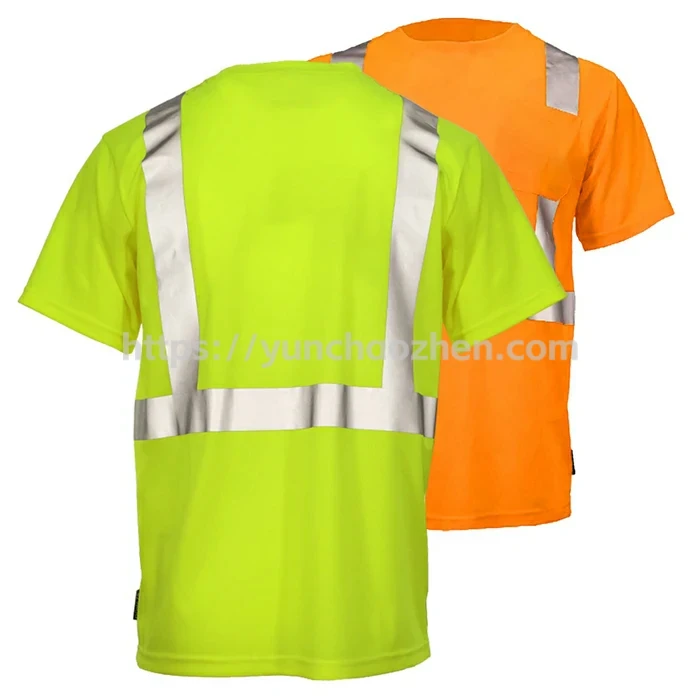


pink safety shirts
Pink safety shirts play a vital role in safety protection across many work environments, particularly in low-light or nighttime conditions. They significantly enhance worker visibility and reduce the risk of traffic accidents. To maximize the effectiveness of reflective shirts, proper wearing is crucial. Below are recommendations on how to wear reflective shirts correctly to ensure optimal reflectivity.
I. Selecting the Right pink safety shirts
Proper Fit: Choose a well-fitting reflective shirt that is neither too tight nor too loose. This ensures freedom of movement during work while allowing reflective strips to function effectively.
Comfortable Material: Opt for breathable, moisture-wicking fabrics to maintain comfort across varying climates and prevent skin irritation from prolonged wear.
Vibrant Colors: Opt for high-visibility colors like yellow or orange to enhance worker visibility in diverse environments.
II. Proper Wear Techniques
Fastening Buttons/Zippers: Secure all buttons or zippers to ensure the shirt fits snugly against the body, preventing loose fabric from compromising reflectivity.
Position reflective strips correctly: When wearing the shirt, position reflective strips prominently on the chest, back, and limbs. Ensure coverage across front, back, and sides for all-around visibility.
Avoid obscuring reflective strips: Prevent backpacks, tool pouches, or other items from covering reflective strips to maintain optimal visibility.
III. Maintain Cleanliness and Integrity of Reflective Shirts
Regular Cleaning: Follow manufacturer recommendations and usage instructions to wash reflective shirts regularly, ensuring cleanliness and maintaining the effectiveness of reflective materials.
Avoid Damage: When wearing the shirt, prevent contact with sharp objects to avoid damaging reflective strips. Replace the shirt promptly if any reflective strips are torn or detached.
Proper Storage: When not in use, store the shirt properly to protect it from sunlight, moisture, and chemicals, thereby extending its lifespan.
In summary, maximizing the reflective performance of these shirts hinges on selecting appropriate garments, wearing them correctly, and maintaining them properly. Only through these preparatory steps can the safety of workers be effectively ensured in low-light or nighttime work environments.